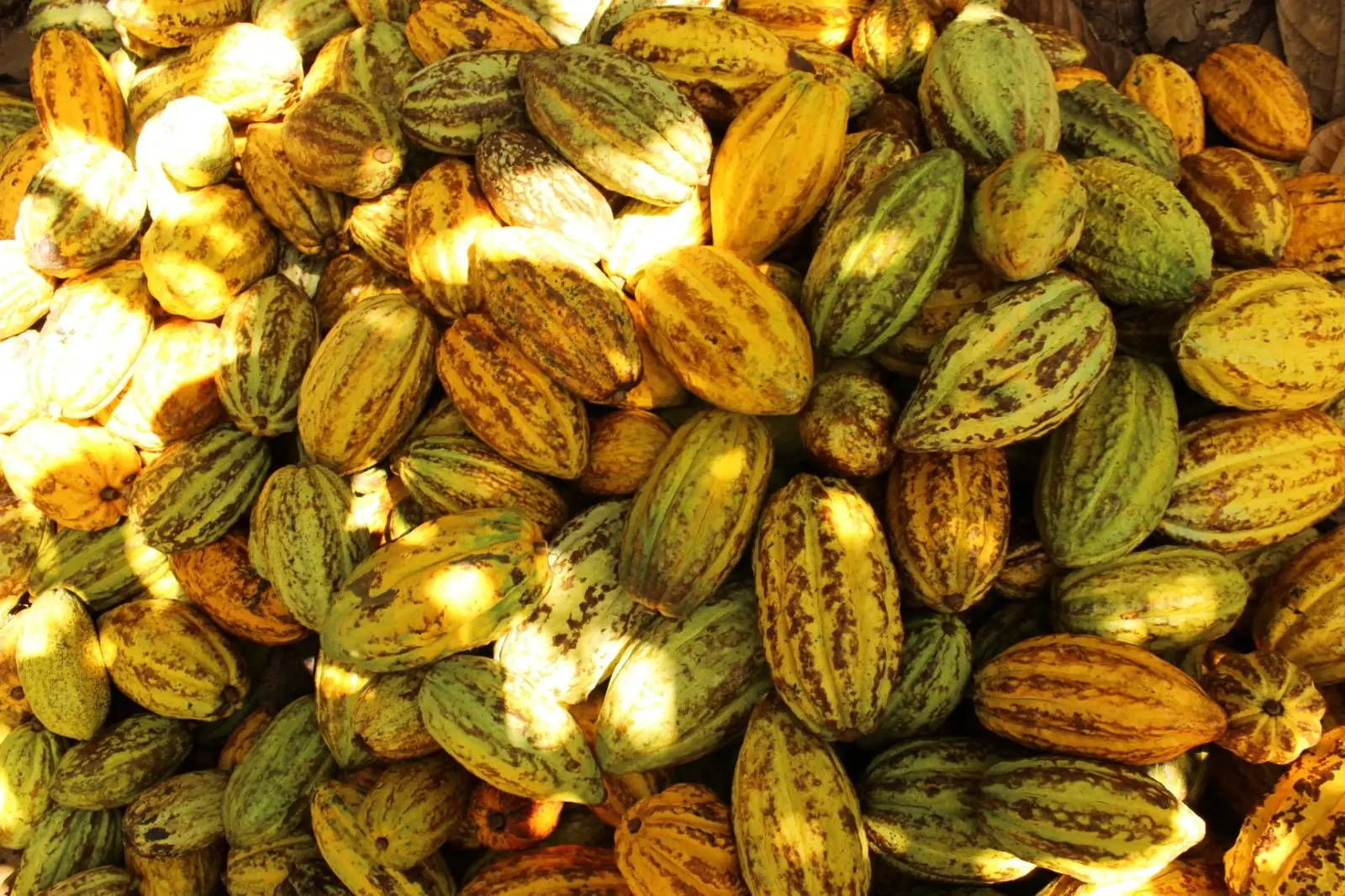
Choosing an origin for a single-origin bar starts with a simple question: what does it actually taste like? For makers building a line around Nicaraguan fine flavor cacao, the honest answer is that there is no single Nicaraguan flavor. Nicaragua grows many distinct varieties, and Ingemann works with eleven of them — each with its own published tasting profile, from heirloom Chuno to micro-lots most makers have never tasted.
This post maps all eleven — six individual varieties, four micro-lots, and Tenor, the blend that ties three of them together. Every note below comes from Ingemann's own tasting notes, variety by variety, so you can compare them side by side and decide which ones deserve a sample in your next tasting.
The eleven profiles
Ingemann's flavor list starts with eleven profiles. Six are individual varieties, four are micro-lots, and one — Tenor — is a blend. Here they are, with their notes:
| Profile | Tasting notes |
|---|---|
| Chuno® — Heirloom Cacao | Citric, Nutty, Spicy, Olive, Complex |
| Rugoso® — Cacao of Excellence | Tannic, Sweet, Plum, Brandy, Strawberry |
| Nicalizo® — Heirloom Cacao | Grapes, Raisins, Cocoa, Smooth, Woody |
| O'Payo™ — Organic Cocoa | Tannic, Kiwi, Coffee, Pineapple, Passion-Fruit |
| Cacao Tuma™ — also available in Organic | Strong Cocoa, Nutty, Wood, Cinnamon |
| Bambana — Premium bulk | Cocoa, Nutty, Marshmallow, Slight Wood, Spice, Dried Fruits |
| Johe® — Micro-lot | Cocoa, Nutty, Herbal, Green Apple, Green Tea |
| Medalla® — Micro-lot | Spicy, Dry Fruit, Molasses, Oat |
| Barba® — Micro-lot | Spicy, Pepper, Tannic, Cinnamon, Smoky |
| Nugu™ — Micro-lot | Roses, Jasmine, Herbal, Vanilla, Yogurt |
| Tenor™ — a blend (see below) | Red Wine, Wood, Floral, Orange, Sparkling |
Two of the individual varieties carry the Heirloom Cacao designation — Chuno and Nicalizo — and Rugoso is a Cacao of Excellence variety. Those designations are not marketing labels; they mark genetics the fine-flavor world has already recognized.
Bambana is the volume profile of the eleven: harvest runs November to May, and volume can go up to 1,000 metric tons a year, with organic lots sold as O'Bambana.
Tenor: the blend
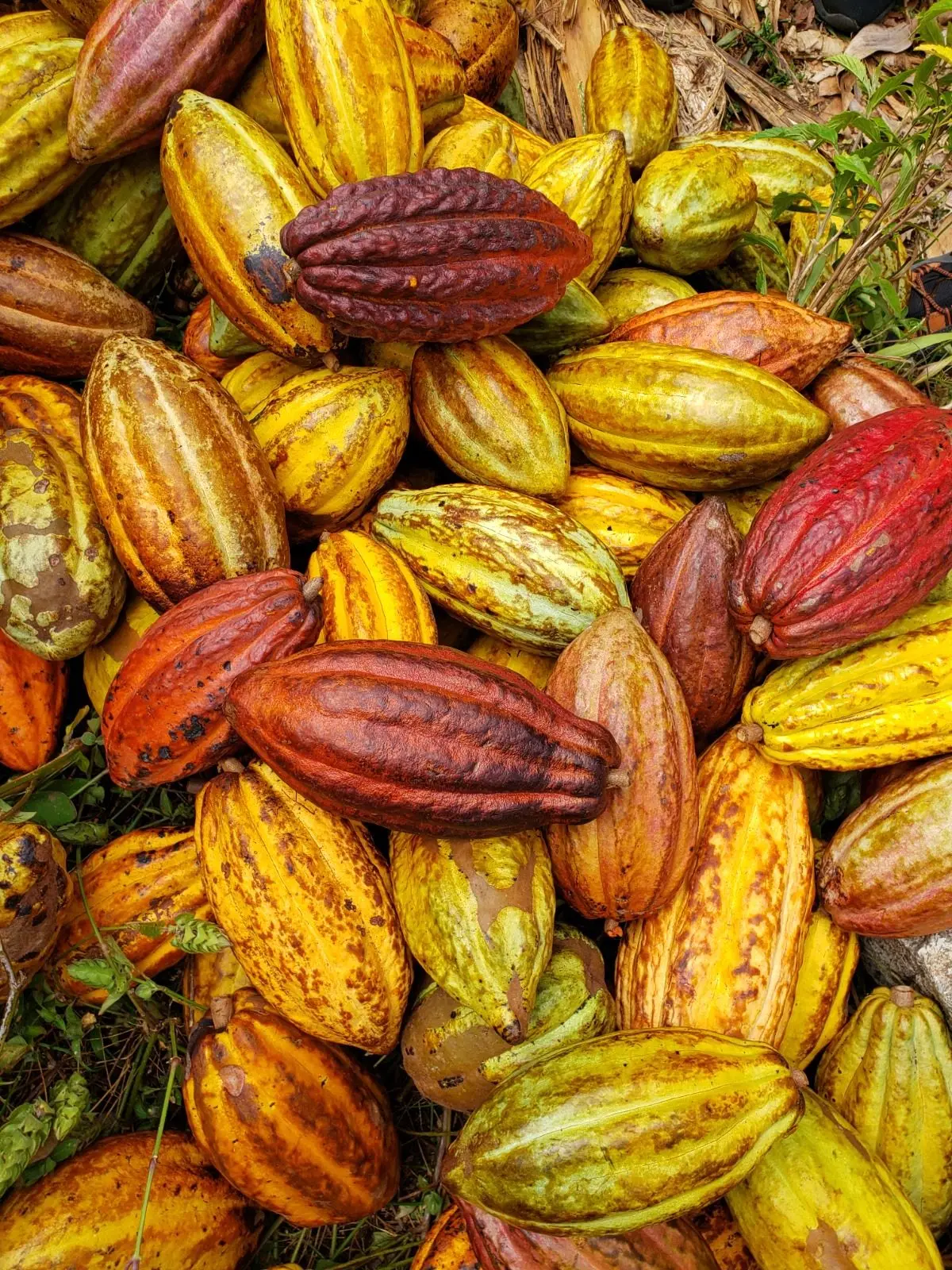
Tenor is the exception that proves the list. It is not a variety but a blend of three of them — Rugoso, Chuno and Nicalizo — combined into a single profile: red wine, wood, floral, orange, sparkling. If you like the brightness of Chuno, the fruit of Rugoso and the smooth cocoa of Nicalizo, Tenor is the shortcut to all three in one lot.
Micro-lots: small volumes, unique opportunities
Johe, Medalla, Barba and Nugu are micro-lots — small volumes, and the most distinctive notes on the list. Nugu reads like a perfumery shelf (roses, jasmine, vanilla, yogurt); Barba is the smoky, peppery one; Medalla leans dry fruit and molasses; Johe is green apple and green tea over a cocoa base. Micro-lots are where limited editions come from, and they go first — if one of these fits your bar, ask about availability before you build a recipe around it.
Same variety, different processes, different profiles
The most useful idea in the list is the protocol section. Chuno and O'Payo each appear several times — not because Ingemann grows five Chunos, but because the same variety tastes different when fermentation, turning, and drying change. The genetics are the same. The process is what moves the flavor.
Chuno protocols
| Profile | Tasting notes |
|---|---|
| Chuno® Clasico | Olive, Nutty, Spicy, Lime, Orange, Orange Blossoms |
| Chuno® Intenso | Coffee, Nutty, Intense Cocoa, Sweet-sour, Grape Fruit |
| Chuno® Esencia | Chocolate, Raisins, Apricot, Wood, Almonds, Roses, Herbal, Orange |
| Chuno® Tradicional | Creamy, Smokey, Soft Cocoa, Peanuts, Cracker |
| Chuno® Profundo | Chocolate, Leather, Cocoa, Tobacco, Mushroom, Fig, Nutty |
O'Payo protocols
| Profile | Tasting notes |
|---|---|
| O'Payo™ Clasico | Passion-Fruit, Coffee, Pineapple, Tannic, Kiwi |
| O'Payo™ Profundo | Ripe Fruits, Floral, Spices, Sweet, Vanilla, Chocolate, Nuts |
| O'Payo™ Aged | Aromatic, Chamomile, Cinnamon, Cocoa, Tannic, Red Wine, Sweet, Herbal, Bittersweet |
| Ro'Payo™ — Raw Organic Cocoa | Cocoa, Citric, Wine, Tannic, Herbal, Aromatic, Floral, Butter |
Chuno Clasico leans olive and citrus; Chuno Profundo leans chocolate, leather, and fig; Chuno Tradicional is the creamy, smoky one. That is why a maker should never judge a variety from a single sample. If Chuno Clasico is too bright for your bar, Chuno Profundo may be exactly right — and both are Chuno. When you request samples, name the protocol, not just the variety.
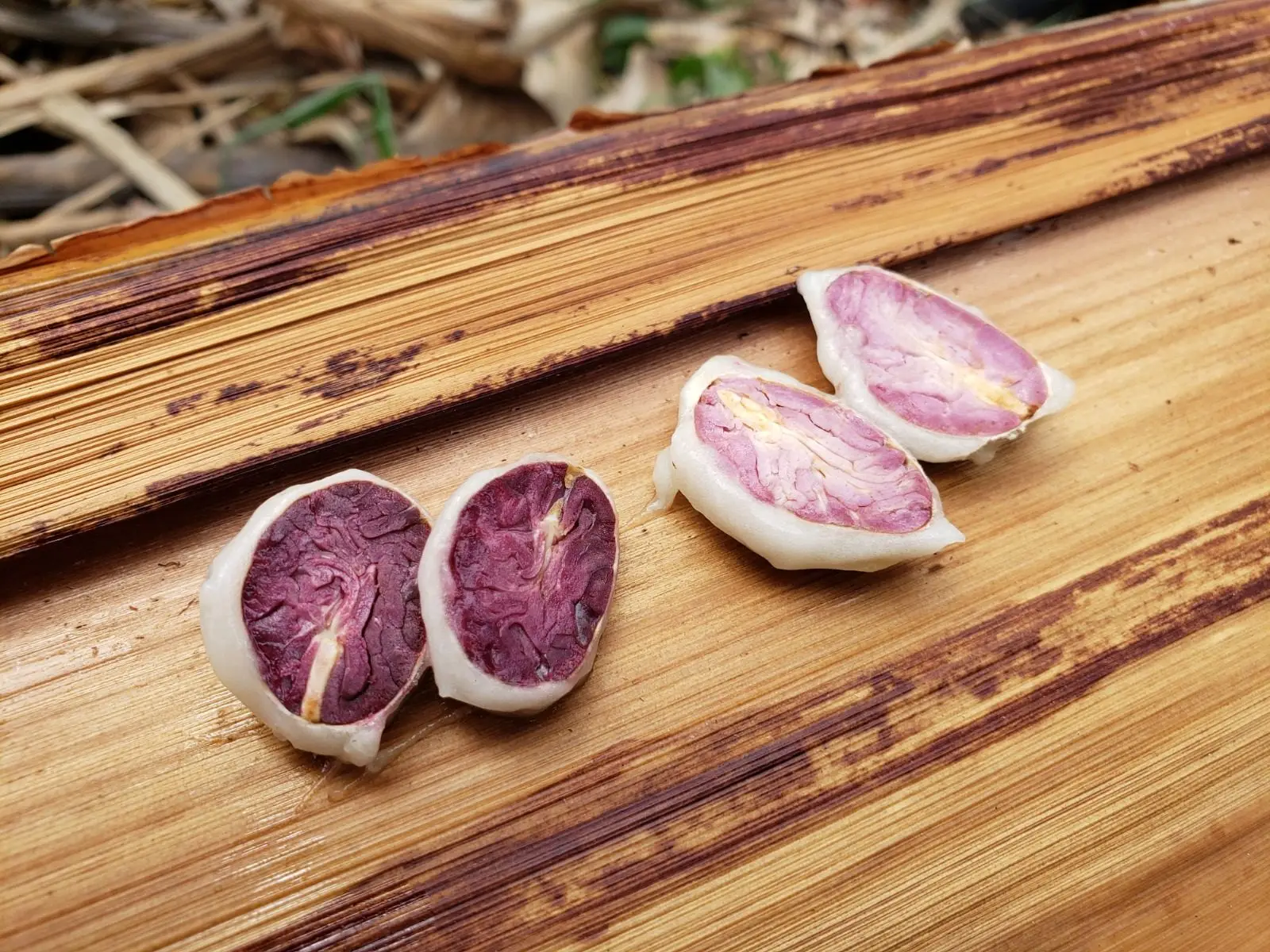
One protocol deserves its own mention: Ro'Payo, the raw organic O'Payo. It is made with Ingemann's most innovative post-harvest method, which guarantees the temperature remains below 45°C at all times — preserving enzymes, nutrients, and antioxidants that would otherwise be lost in the process, all without losing the flavor profile of the variety. The notes stay cocoa-forward with citric and wine edges, plus a butter note you will not find in the other O'Payo profiles.
How the flavor is made
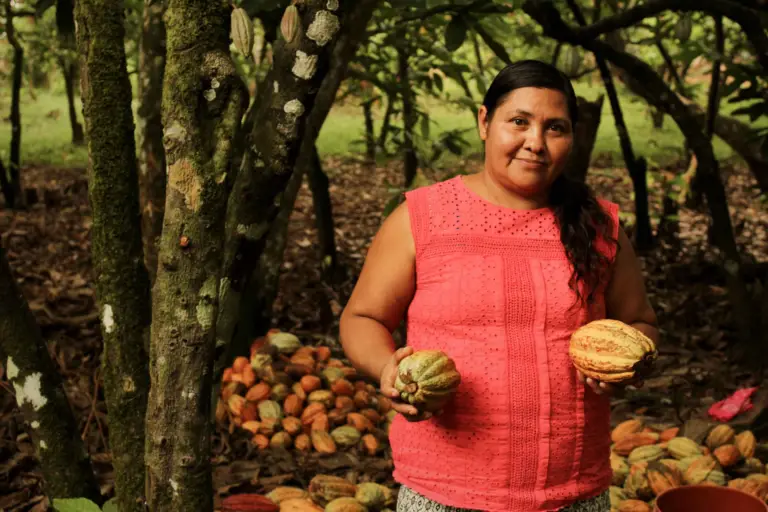
A tasting note is only as reliable as the process behind it. Ingemann's starts before the harvest: every variety is grafted in the company's own nursery, backed by a germplasm bank, so a farmer who plants Chuno gets Chuno — and the genetics are preserved and studied.
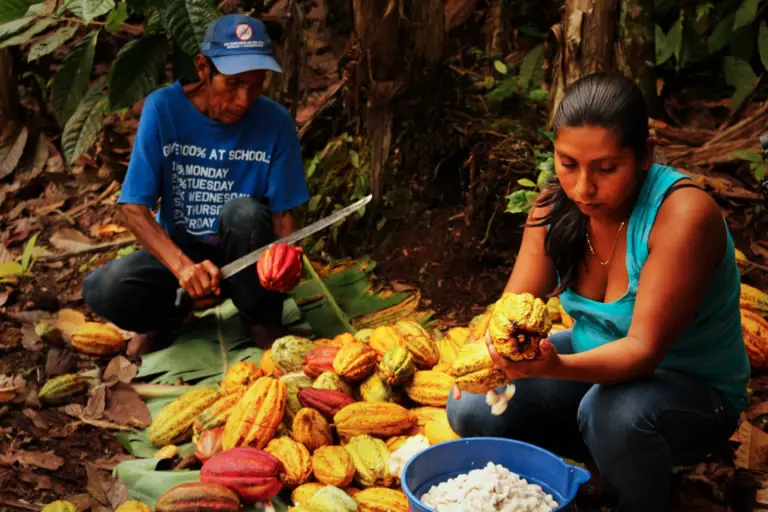
About 1,000 farming families grow the cacao. Of those, 620 are already covered under EUDR: 320 in the organic program in Waslala and Siuna, 150 in El Tuma-La Dalia and Río Blanco, and 150 more. Technicians visit them free of charge, and train them in good agricultural practices and in running a farm as a business.
At the farm gate, wet cacao is collected and measured — brix, pH and temperature on every bag — before reception. Fermentation starts at the farm, in Ingemann's own wooden boxes, and continues at the facility in Tipitapa. Then the beans dry on stainless steel platforms. Fermentation and drying are adapted to the target flavor profile — that is what makes the protocols possible.
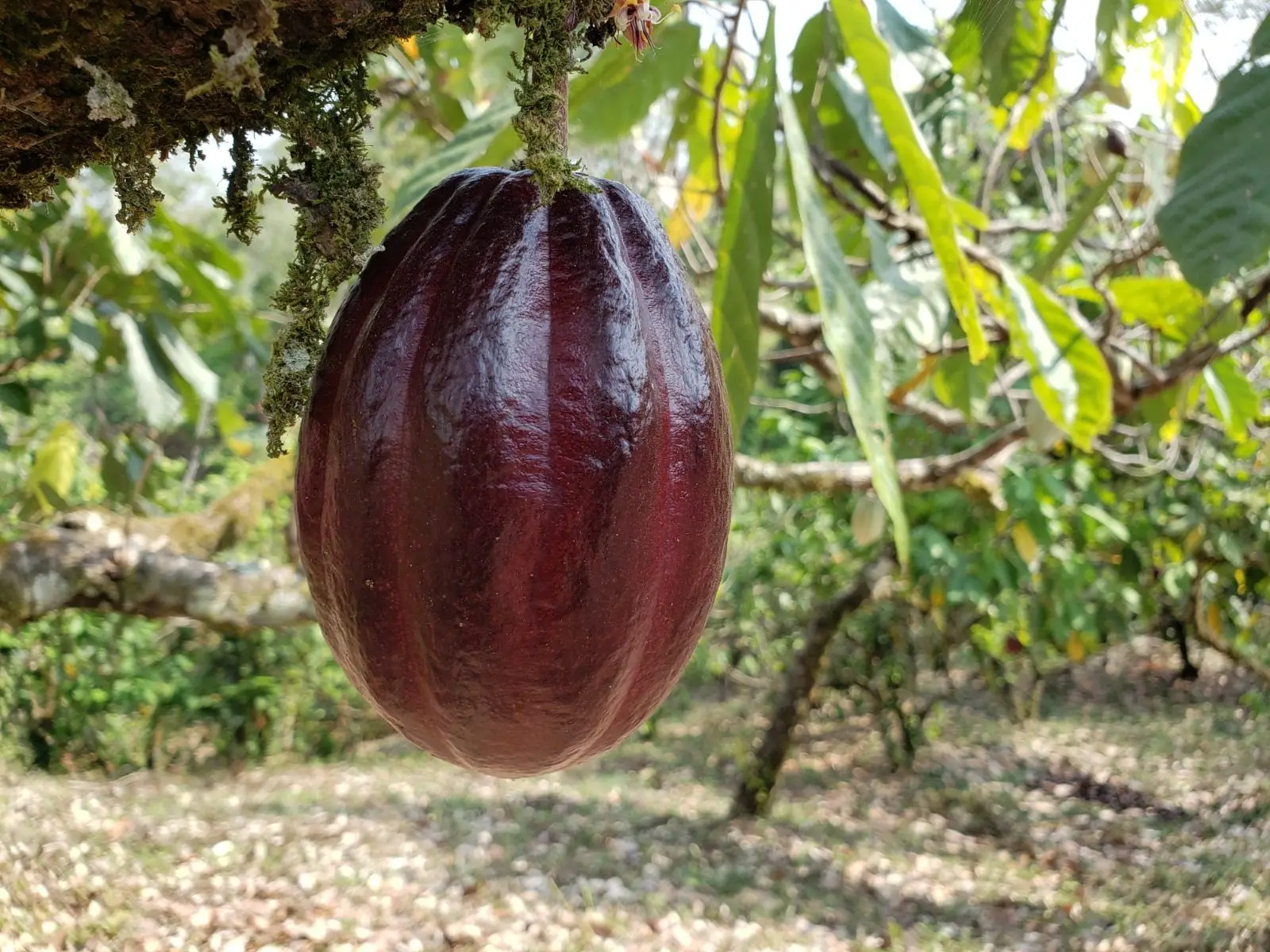
Before anything ships, every lot is checked: temperature, humidity and bean size, cut-tests and tastings, all recorded, and the beans are sorted by hand. Cacao should not change from harvest to harvest — part of Ingemann's magic is guaranteeing the flavor profile consistently, year after year, and that is why customers keep buying from us many years after their first order. We make their work easier by taking on the tinkering needed to 'fix' cacaos that present significant changes, so they can guarantee consistent chocolate to their own customers. We taste every single lot to guarantee the flavor the customer is expecting, and each lot traces back to the farm that grew it.
From bean to bar — and beyond
Every one of the eleven profiles can be bought as beans, and two semi-processed formats can be made from any of them: cocoa nibs and cocoa liquor (100% cocoa paste). That matters for makers who want a profile's character without running their own roast and grind — the flavor of the variety carries through.
Two more formats are single-region by design: cocoa butter (natural, pressed from Tuma) and cocoa powder (10–12% fat, also from Tuma). Organic versions of every format are available on request, and the certified organic lots are sold as O'Payo, O'Tuma and O'Bambana. Very soon, Fairtrade and Rainforest Alliance certification will also be available on our organic varieties.
If you need the current heavy-metals analysis for a lot, ask for it with your sample: an Intertek analysis in Germany found cadmium in Ingemann's beans below the European Union maximum, and the current analysis travels with the sample.
And if none of the eleven is quite the profile a project needs, Ingemann's standing offer is the point of the whole list: need a unique flavor profile? We can make it possible. A custom protocol on a chosen variety is how new profiles join the list. The team works regularly with scientists and microbiologists, and holds one of the largest lot-data sets in the industry — more than a decade of experimentation behind every profile.
Which cacao is yours?
Rather than guess from the table, use the selector on the profiles page: four questions, three profiles to taste first. It is the fastest route from this post to a shortlist.
Then taste. We send samples of the profiles you choose — or suggest two or three to taste side by side — and every sample travels with a lot reference, so you can compare your trial with your next order. One kilogram per variety is the usual starting point.
Ordering is straightforward: tell us what you make, the flavor you want, the format, how much you need and when. Orders run from 100 kg to full containers, with the documents travelling with every shipment. Buy direct from Nicaragua, through Crafting Markets worldwide with a focus on Europe, or through Mabco in Canada and North America.
Talk to us
If one of these eleven sounds like your next bar, start with a sample. Request samples through our sample form — name the variety and the protocol you want to taste — or download the sensory catalog, which carries the tasting notes and flavor charts for every profile, the Chuno and O'Payo protocols, and the nibs, liquor, butter and powder. Or write to us through the contact page, and tell us what you are making: we will point you at the profiles worth tasting first.
Chocolates made with Ingemann cacao won 31 awards at the 2026 International Chocolate Awards World Final. The eleven varieties above are where those bars started.
Ingemann Fine Cocoa — eleven fine-flavor varieties from Nicaragua, each one tasted, mapped, and traceable to the farm.